Energy Materials
Why ceramic electrolytes are difficult to manufacture at scale
Ceramic electrolytes need more than high conductivity: they need clean interfaces, controlled porosity, and a repeatable sintering window.
Ceramic electrolytes need more than high conductivity: they need clean interfaces, controlled porosity, and a repeatable sintering window.



In a redox-flow battery, ion-selective membranes must balance conductivity, crossover resistance, chemical stability, and cost.

Tandem photovoltaics gain voltage by stacking absorbers, but every extra interface creates a new pathway for recombination and degradation.
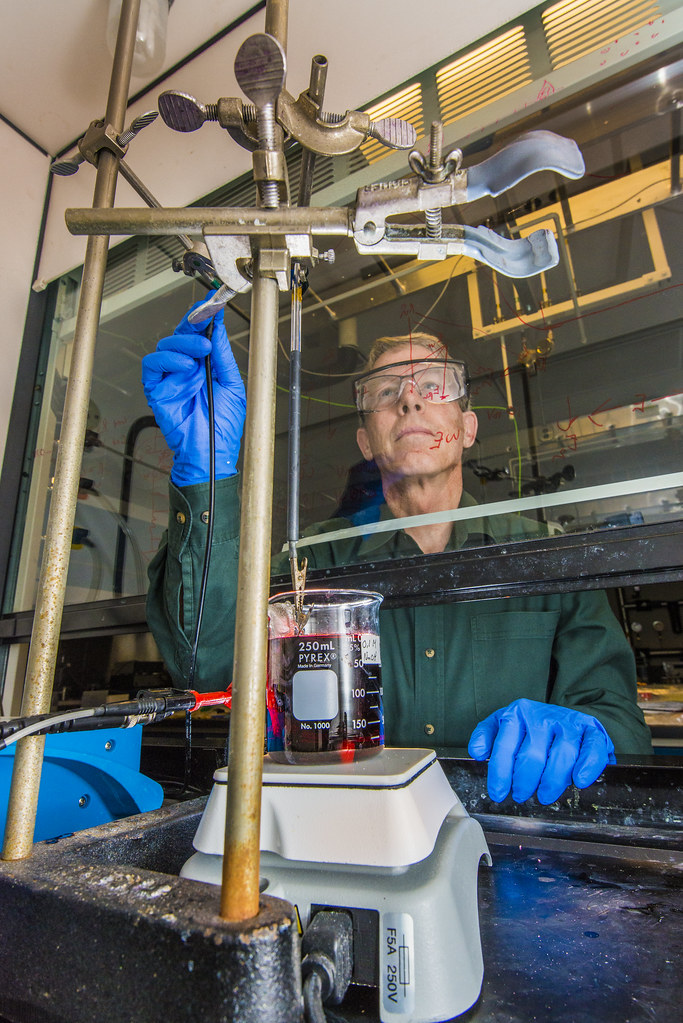
Useful thermoelectrics require electrical transport and heat transport to be tuned in opposite directions, making defects and interfaces decisive.
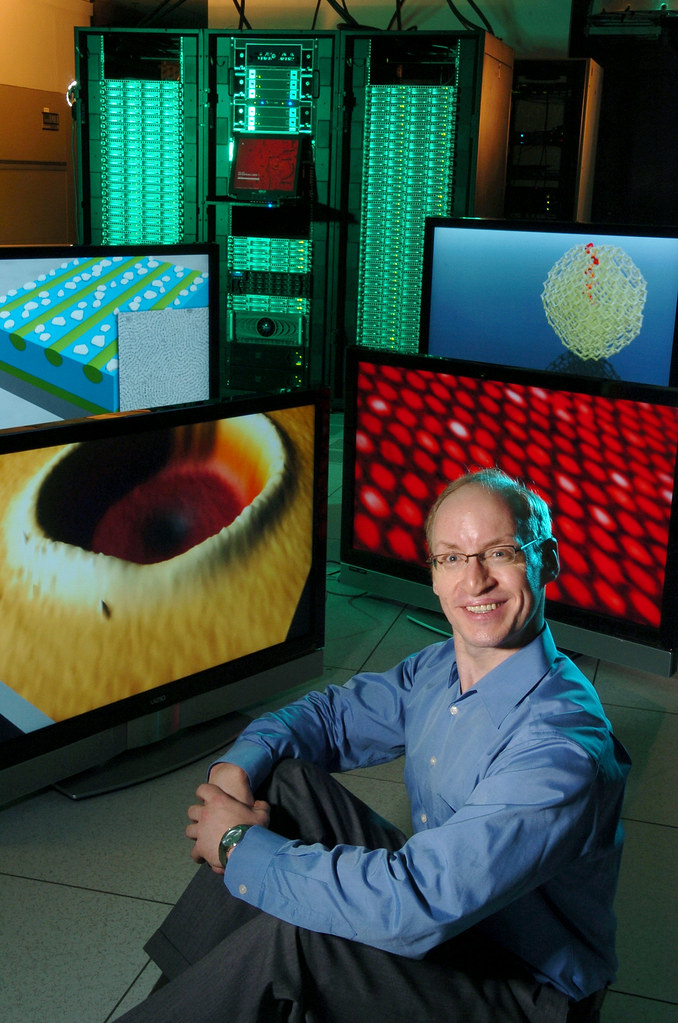
Hydrogen-storage alloys absorb gas reversibly, but pressure hysteresis, heat management, and cycling stability control their practical value.
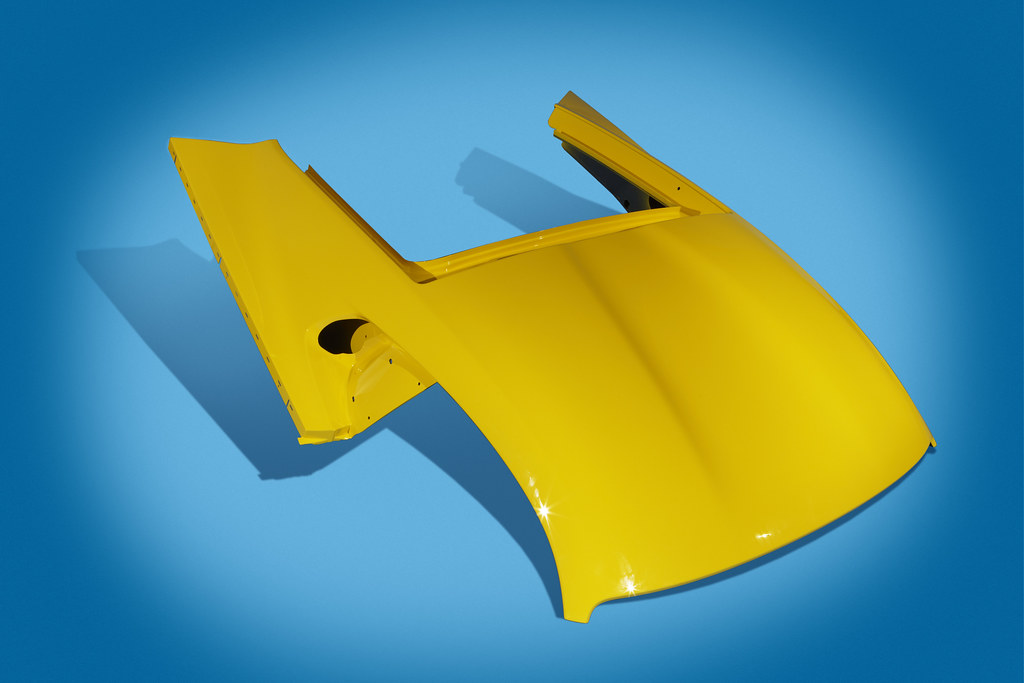
The strongest fiber cannot deliver its potential without a carefully engineered interface that transfers load without creating brittle damage.

Titanium alloys combine strength and corrosion resistance with stubborn machining, joining, and contamination problems.

Mixing several principal elements can create unusual combinations of strength, toughness, corrosion resistance, and thermal stability.

Amorphous metals avoid conventional grain boundaries, yet localized shear transformation can still trigger sudden failure.
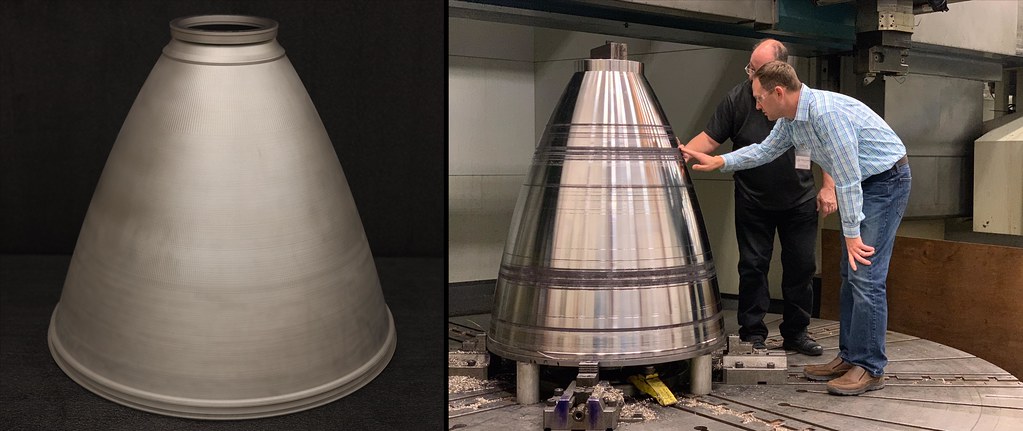
Particle size, flowability, oxidation, and packing density determine whether a metal additive-manufacturing process starts with a reliable feedstock.

Lack of fusion, keyhole pores, and spatter leave distinct signatures that connect laser parameters to the final part's fatigue life.
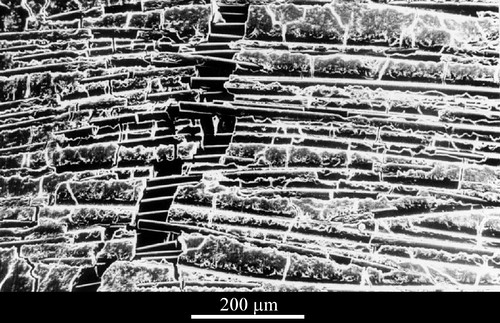
A brittle ceramic becomes useful in hot structures when fibers, coatings, and controlled interfaces deflect cracks instead of letting them run straight through.
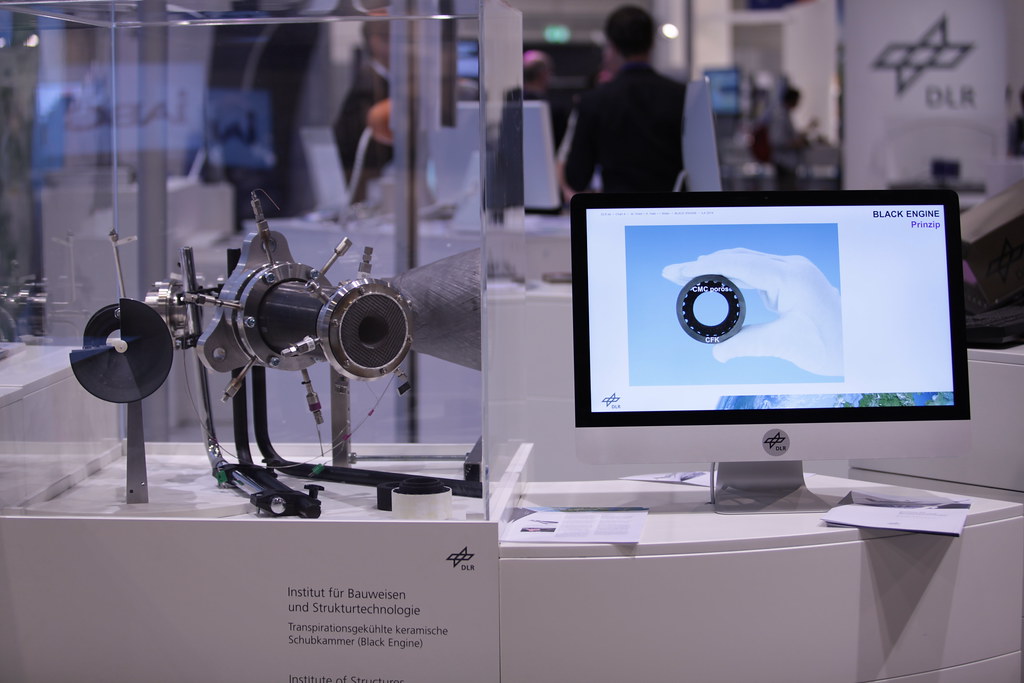
Boron carbide, zirconium compounds, and related ceramics combine extreme melting points with difficult oxidation and thermal-shock tradeoffs.
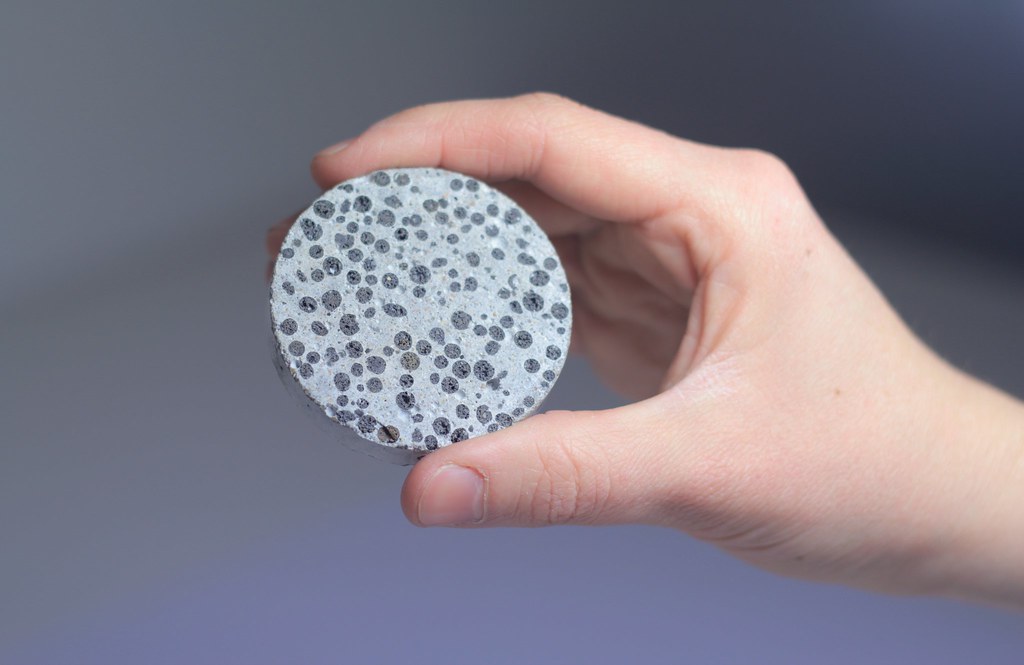
Crack repair depends on how water, bacteria, polymers, or mineral species move through a damaged cement matrix.

Aluminosilicate precursors can form strong binders at lower process emissions, but feedstock variability makes formulation and curing essential.

The long-term performance of engineered wood depends on moisture transport, connection details, fire design, and predictable swelling.
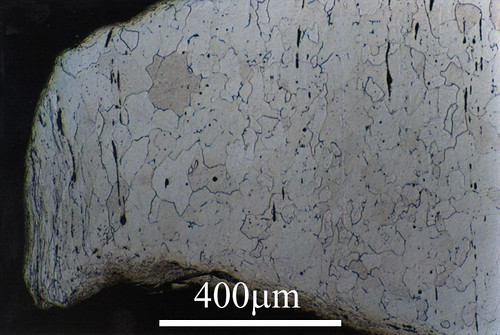
Replacing coal-based reduction changes the chemistry, energy demand, impurity tolerance, and infrastructure around steelmaking.

Aluminum can be recycled repeatedly, but alloy mixing and trace contaminants determine whether scrap returns to high-value applications.
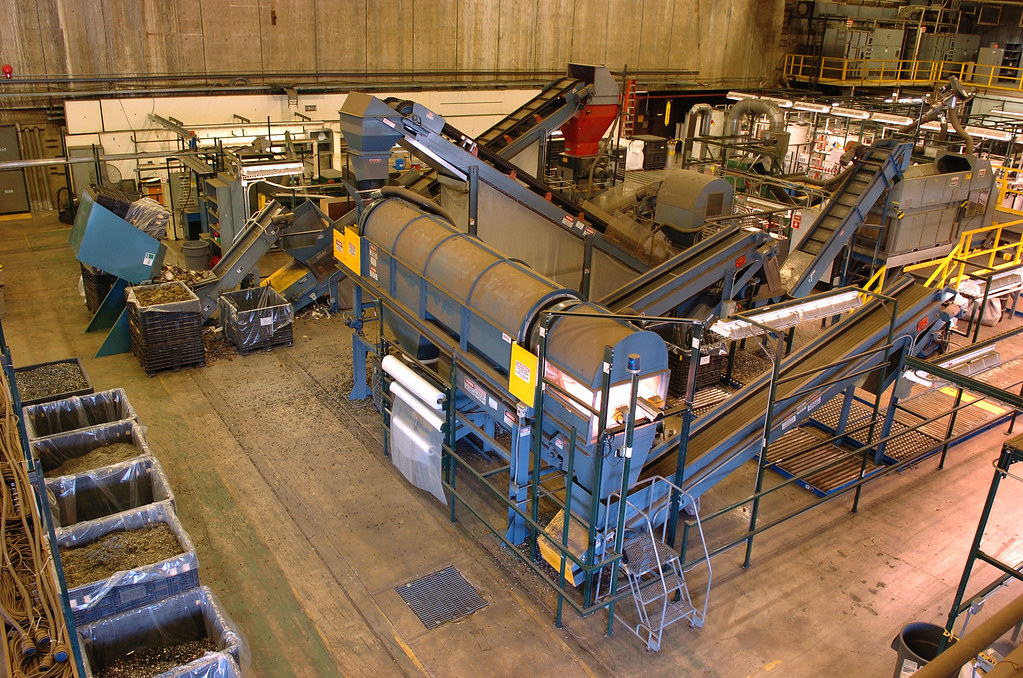
Depolymerization can recover molecular building blocks, yet additives, multilayer packaging, and mixed waste make feedstock control decisive.
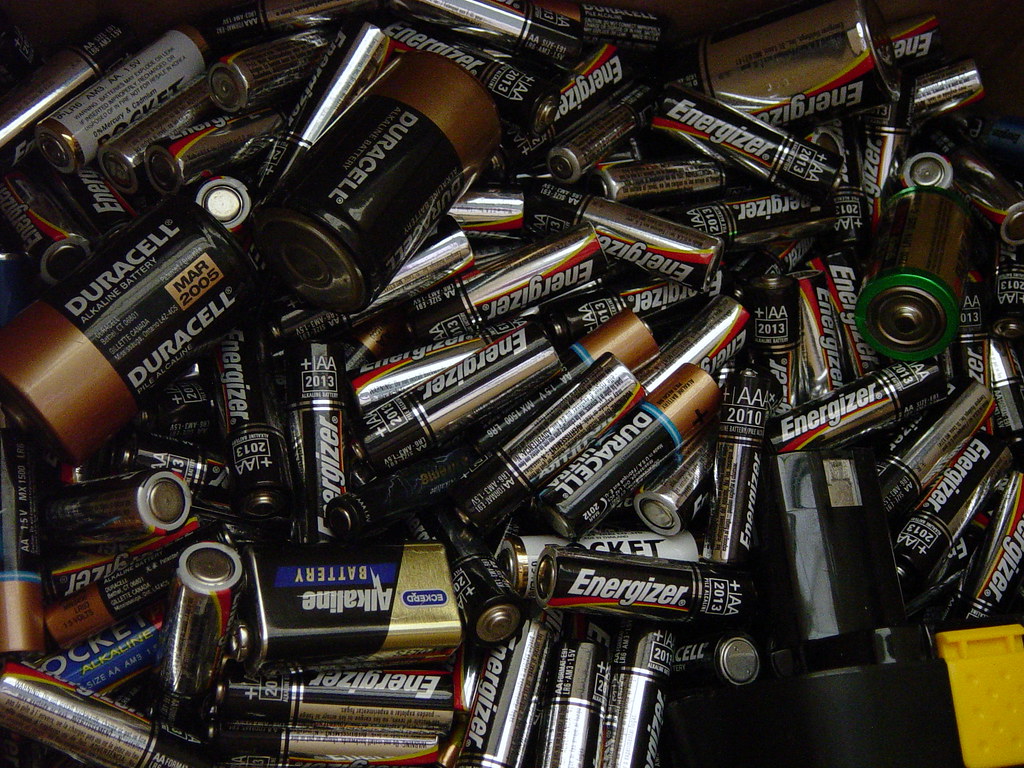
Recovering nickel, cobalt, lithium, and manganese begins with identifying the original cell chemistry and separating the right streams.

Fasteners, adhesives, material labels, and modular construction can determine whether a product is recovered or shredded into low-value waste.
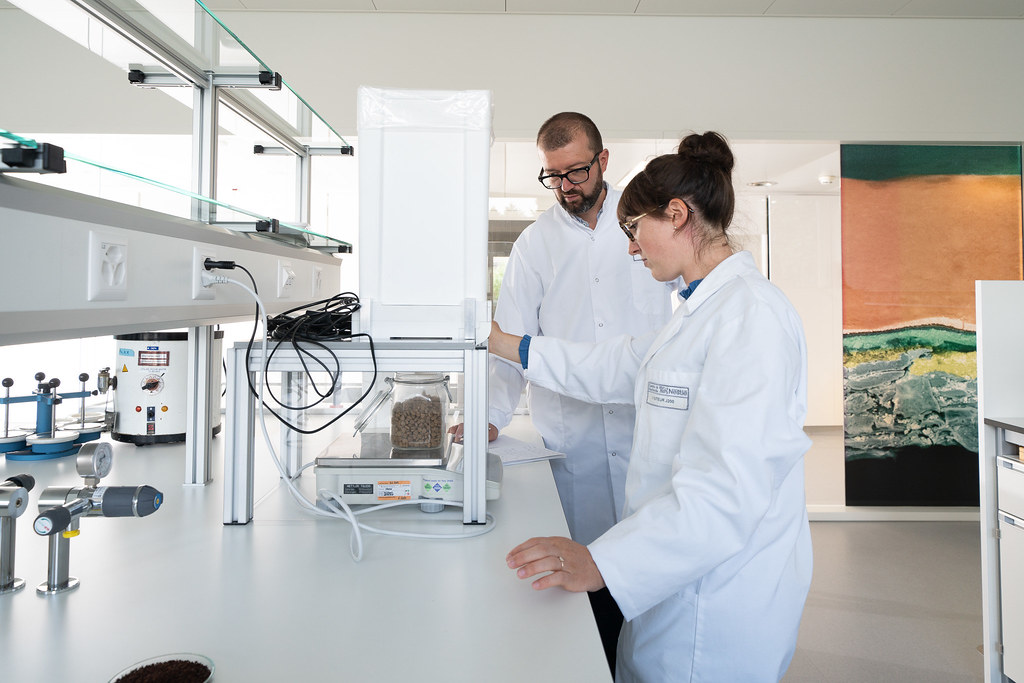
A renewable feedstock does not automatically make a good package: barrier layers, humidity response, sealing, and end-of-life routes all matter.

Water-rich polymer networks can manage moisture and deliver signals, but adhesion, sterilization, and mechanical stability remain difficult.
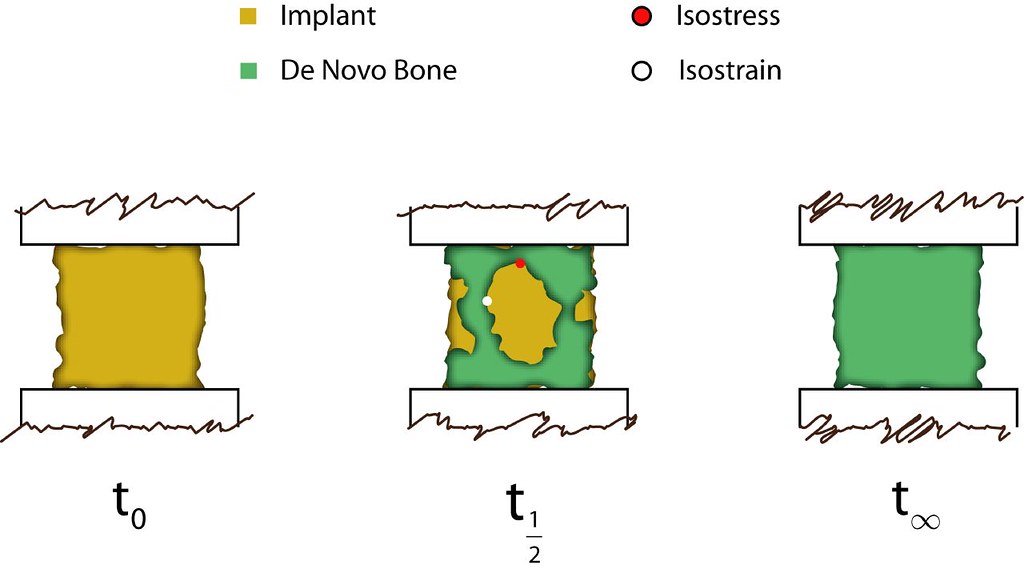
Microscale roughness, chemistry, and wettability influence protein adsorption and the first biological events after implantation.
Size, charge, corona formation, and release kinetics decide whether a nanoparticle reaches the intended tissue or is cleared first.
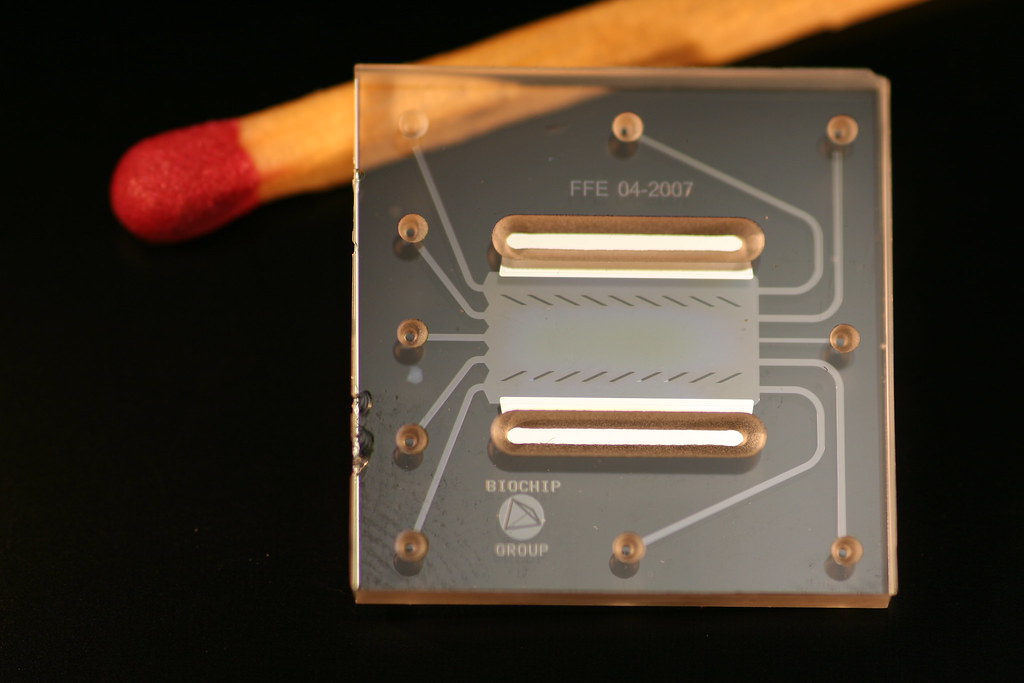
A chip's channels are only useful when surface chemistry, swelling, optical clarity, and bonding remain stable during operation.

Flake size, binder chemistry, drying, and network connectivity decide whether a printed graphene film conducts reliably.

Thin encapsulation must block oxygen and water while surviving repeated bending, stretching, and thermal cycling.

Neuromorphic hardware uses materials whose resistance can be tuned by ionic motion, defects, and nanoscale interfaces.

Air holes and microstructured cladding let engineers tune dispersion, nonlinear response, and sensing performance beyond conventional fiber.

The size of a nanocrystal changes its emission color, while shell design and film processing protect brightness and lifetime.

Subwavelength resonators can steer, filter, or absorb electromagnetic waves when their geometry is fabricated with enough precision.

A useful digital twin links composition, processing history, microstructure, and measured performance instead of treating material data as isolated numbers.
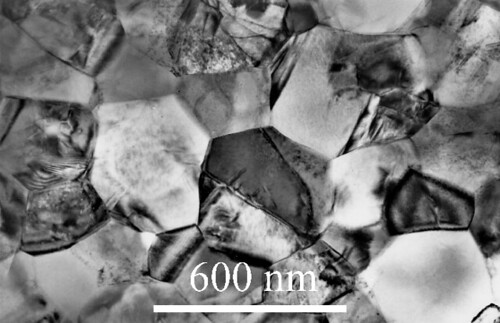
With the right thermodynamic and kinetic inputs, phase-field methods can connect nucleation, coarsening, and processing schedules.

Automation increases throughput, but only if experiment design, calibration, metadata, and failure handling are treated as part of the science.

Combining microscopy, diffraction, spectroscopy, and mechanical data makes it harder for a single attractive image to carry an unsupported conclusion.
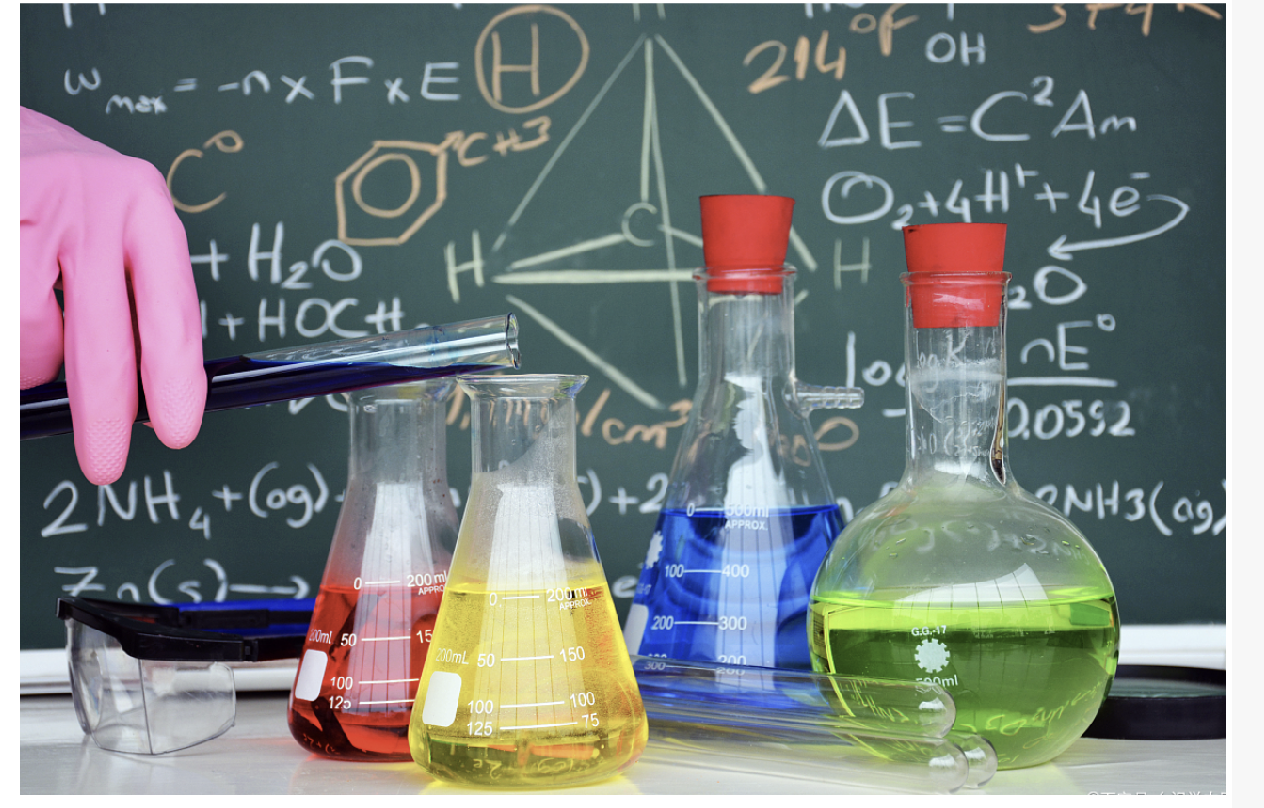
A step-by-step guide to seven high-yield organic reaction mechanisms, focusing on electron movement, bond breaking, intermediates, stereochemistry, and reaction selectivity.